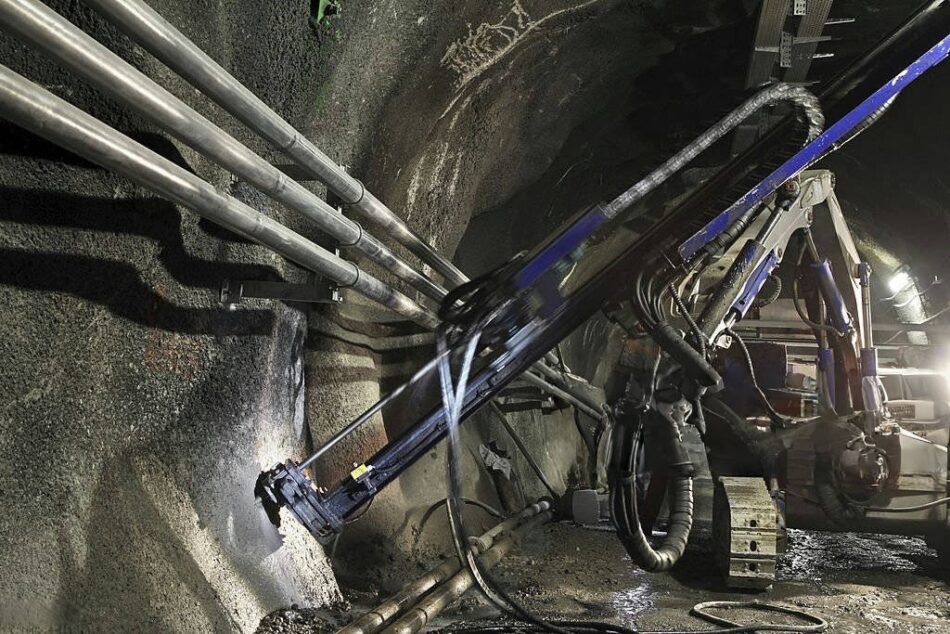
1. Why Tunnel Shotcrete Requires Structural Fiber Reinforcement
Tunnel construction requires immediate ground support to maintain stability and ensure worker safety. Shotcrete is widely used as the first layer of support in tunnels, mining galleries, and underground structures.
However, tunnel shotcrete is exposed to:
High ground pressure
Dynamic load from blasting
Rock movement
Water seepage
Temperature variation
Without proper reinforcement, shotcrete may develop:
Early cracking
Spalling
Low energy absorption
Structural instability
Traditional reinforcement methods such as steel mesh or steel fiber can provide strength, but they also increase installation time and maintenance cost.
Macro synthetic fiber reinforcement provides a practical and reliable alternative for tunnel shotcrete support.
2. Common Problems in Tunnel Shotcrete Without Proper Fiber
Based on real site practice, the most common issues include:
Early Cracking
Occurs during the first 24 hours after spraying
Poor Energy Absorption
Shotcrete cannot resist rock impact
High Rebound Rate
Material loss during spraying
Steel Corrosion
Especially in wet tunnels
Slow Installation
Steel mesh requires manual fixing
These problems directly affect:
Safety
Construction speed
Long-term durability
3. Why Use Macro Synthetic Fiber Instead of Steel Mesh or Steel Fiber
My product is positioned exactly here
Steel Mesh
Requires manual installation
Slow construction
High labor cost
Risk of incorrect positioning
Steel Fiber
Heavy
Risk of corrosion
Safety concerns during handling
High transportation cost
Macro Synthetic Fiber (Twist wave 50)
Lightweight
No corrosion
Easy mixing
Improved crack control
Faster construction
Lower total cost
4. Recommended Fiber Specification
Fiber Type
Twist wave 50
Material
Polypropylene-polyethylene mixture
Length
50 mm
Diameter
0.7mm
Tensile Strength
≥ 600 MPa
Elastic Modulus
≥ 11 GPa
Melting Point
160 – 170°C
Density
0.91 g/cm³
5. Recommended Dosage for Tunnel Shotcrete
Typical dosage:
Standard Tunnel Support
3 – 5 kg per cubic meter
High Stress Tunnel Section
5 – 6 kg per cubic meter
Mining Tunnel
6 – 7 kg per cubic meter
Dosage depends on:
Tunnel depth
Rock classification
Support thickness
Design requirement
6. Mixing and Spraying Method
Correct mixing and spraying procedures are critical for fiber performance.
Recommended Mixing Procedure
Step 1
Add aggregates and cement into the mixer
Step 2
Start the mixer
Step 3
Add fiber gradually
Step 4
Mix for:
30 – 60 seconds
Step 5
Add water and admixture
Step 6
Continue mixing:
60 – 90 seconds
If Using Water-Soluble Bundled Fiber
Benefits:
Prevents fiber balling
Improves dispersion
Saves labor time
Ensures uniform distribution
7. Performance Benefits in Tunnel Shotcrete
Using macro synthetic fiber reinforcement improves tunnel support performance in multiple ways.
Crack Control
Reduces shrinkage cracking
Energy Absorption
Improves toughness and ductility
Durability
No corrosion in wet environment
Construction Speed
No steel mesh installation
Safety
Improved stability of shotcrete lining
8. Cost Comparison (Real Contractor Concern)
Traditional Method
Steel mesh installation
More labor required
Longer construction time
Maintenance risk
Synthetic Fiber Method
No mesh installation
Reduced labor
Faster spraying
Lower maintenance cost
Typical Cost Saving
15% – 30%
Main savings sources:
Labor reduction
Shorter construction time
Lower maintenance
9. Typical Applications
This solution is widely used in:
Tunnel shotcrete
Mining tunnels
Hydropower tunnels
Slope stabilization
Underground caverns
Metro tunnels
10. Technical Support Provided by Conchip
A professional fiber supplier should provide technical support beyond material supply.
Technical services include:
Dosage recommendation
Mix design support
On-site guidance
Performance testing
Crack control analysis