
UHPC High-Performance Concrete and Modified Polypropylene Synthetic Fiber: Innovation Meets Application

The Revolutionary Breakthrough of UHPC

Ultra-High Performance Concrete (UHPC) has emerged as the material of choice in modern architecture and infrastructure due to its exceptional strength, durability, and versatility. The superior performance of UHPC owes much to high-quality reinforcing fibers, and our specially modified polypropylene synthetic fiber, developed through advanced chemical modification technology, marks a revolutionary advancement in this field. This article delves into the modification process of our fiber and its wide-ranging applications in rammed earth panels, fair-faced concrete, translucent concrete, and artistic concrete.

Conclusion: Leading the UHPC Era

The integration of UHPC high-performance concrete with our modified polypropylene synthetic fiber ushers in a new era for building materials. From rammed earth panels to artistic concrete, this fiber leverages innovative chemical modification to unlock limitless possibilities in engineering and art. We are committed to ongoing research and development to meet the global demand for high-quality, sustainable construction materials, shaping a brighter future together

Innovative Fiber Modification Technology

Our UHPC-specific modified polypropylene synthetic fiber is crafted from pure polypropylene (PP) with a precisely controlled diameter of 0.2 mm. The modification process employs advanced chemical techniques, primarily by grafting polar molecular groups (such as carboxyl or hydroxyl groups) onto the fiber surface. This enhances the chemical activity, significantly improving the bond strength with UHPC matrices. Unlike traditional physical indentation methods, which may reduce fiber tensile strength due to potential fractures, our chemical modification preserves the fiber’s tensile strength (>600 MPa) and elastic modulus (>10 GPa) while maintaining an elongation at break of <8%, delivering outstanding toughness and crack resistance. Additionally, with a lightweight nature (density 0.91 g/cm³) and corrosion resistance, it serves as an eco-friendly alternative to steel fibers, meeting UHPC’s sustainability requirements.

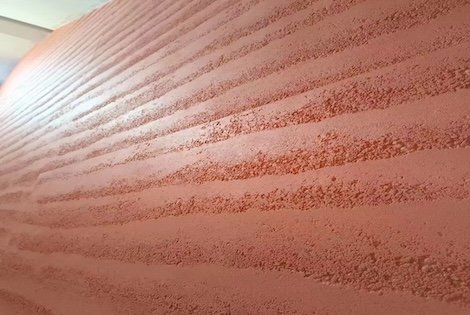
Rammed Earth Panels

Enhanced with modified fibers, rammed earth panels combine traditional craftsmanship with modern technology, offering improved compressive and crack resistance for eco-friendly architecture and landscape design.

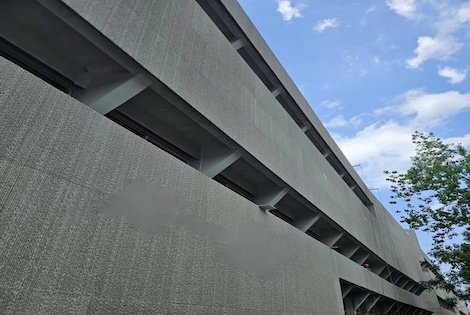
Fair-Faced Concrete

The uniform distribution of modified fibers minimizes micro-cracks, enhancing surface smoothness and durability, making it ideal for premium commercial buildings and museum facades.

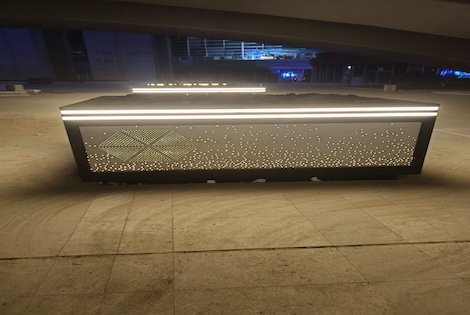
Translucent Concrete

The fiber’s excellent dispersibility supports the unique structure of translucent concrete, improving light refraction for decorative walls and artistic installations.

Artistic Concrete

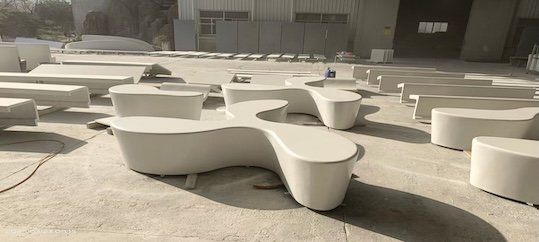
Modified fibers provide greater ductility and moldability, enabling complex sculptures and creative designs to meet personalized architectural needs.

Market Prospects and Technical Advantages

In 2025, as the global construction industry shifts toward high-performance and sustainable materials, the UHPC market is projected to grow at a compound annual growth rate of 7%-8%. Our modified polypropylene fibers, with their eco-friendly production process and superior performance, have been successfully applied in international projects, such as eco-buildings in Australia and artistic concrete works in Brazil. These cases demonstrate the fiber’s reliability and adaptability under extreme conditions. Compared to traditional steel fibers, the corrosion resistance and low maintenance costs of our modified fibers make them an ideal choice for UHPC applications.

LATEST NEWS